MSF works in shelter with vulnerable victims of disastrous floods in the south of Brazil
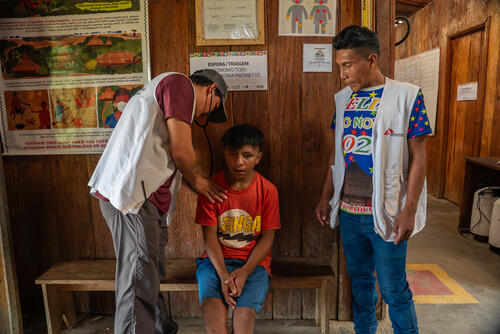
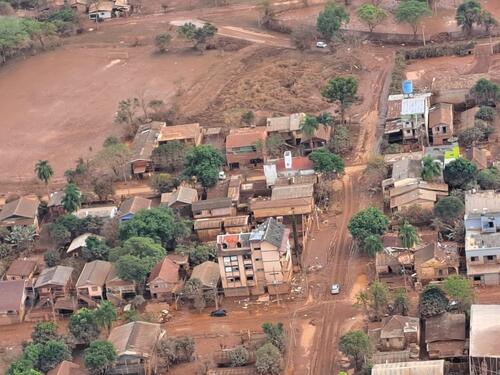
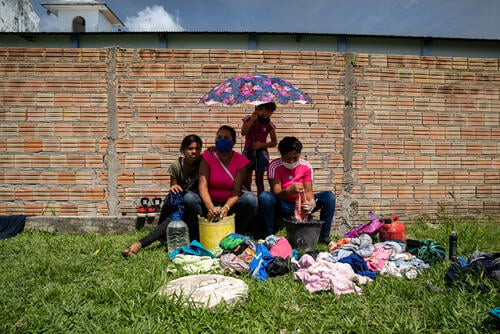
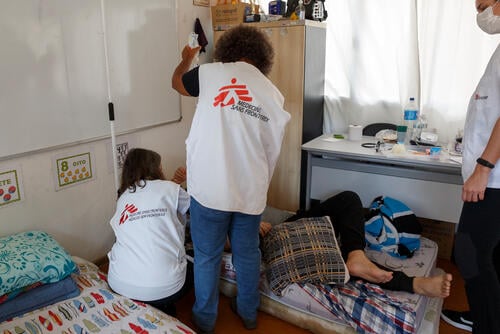
About 400 people now live in this shelter at the Paulo Freire municipal school. The place has been receiving people from many neighborhoods of Canoas after torrential rains flooded whole cities and left hundreds of thousands of people without shelter. Brazil, May 2024.
© Diego Baravelli/MSF
War in Gaza:: find out how we're responding
Learn more

In Brazil, our teams deliver healthcare to hard-to-reach communities. We offer general care and malaria treatment to people who often do not have access to healthcare because of difficult terrain and a shortage of medical staff.

Our activities in 2024 in Brazil

Data and information from the International Activity Report 2024.

MSF in Brazil in 2024 Médecins Sans Frontières (MSF) teams in Brazil deliver healthcare to hard-to-reach communities in remote areas of the Amazon. Our services include treatment for malaria and mental health support.
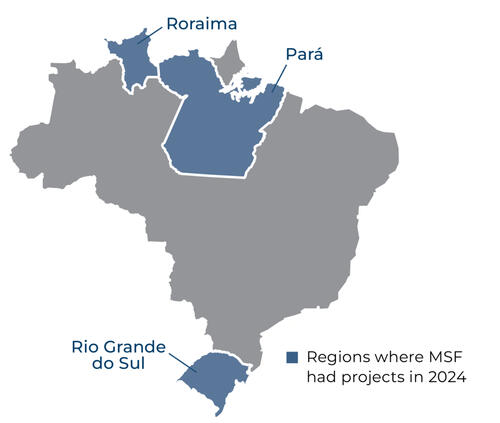
Brazil IAR map 2024
Country map for the IAR 2024.
© MSF
In 2024

In Roraima state, we work in the Yanomami Indigenous Territory (YIT), in the Auaris region, providing malaria treatment and essential healthcare. In the state capital, Boa Vista, we offer medical consultations and mental health support to Yanomami people at the Indigenous health centre.  

In early 2023, the Ministry of Health declared a health emergency in the YIT, linked, among other factors, to environmental degradation caused by illegal mining. Since then, MSF has been supporting the ministry to improve healthcare in the territory. In 2024, we coordinated and co-financed the renovation of a health facility in Auaris. The work, carried out in collaboration with the Indigenous health authorities, involved expanding and upgrading the space, and dividing it into a consultation area and an inpatient ward. 

Wherever possible, we run our services on the Indigenous people's own land, thus implementing a health approach that is more culturally suited to these communities.

Meanwhile, in the state of Pará, we continued our work in Portel, a hard-to-reach Amazonian town. There, MSF promoted the creation of a multidisciplinary network to optimise the flow of care for victims and survivors of sexual violence, through actions such as community engagement and training of professionals from different fields. We also support local authorities to offer general healthcare in the area, including for riverside communities.  

In addition to these activities, we launched an emergency response to help people affected by heavy rainfall and flooding in the southern state of Rio Grande do Sul. We provided basic healthcare, as well as mental health and psychosocial support, in a shelter in Canoas, one of the worst-hit towns.  

MSF also worked with Rio Grande do Sul authorities in five other cities to design a mental health and psychosocial support response, comprising three main elements: community support, training of local professionals, and the development of emergency protocols.