MSF Emergency Centre in Turgeau
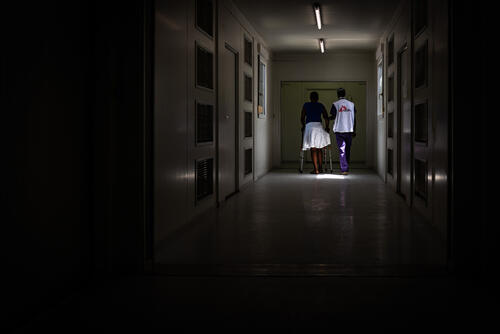
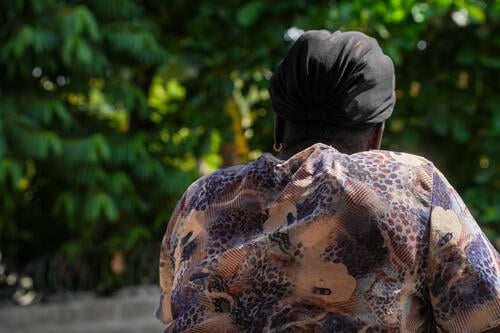
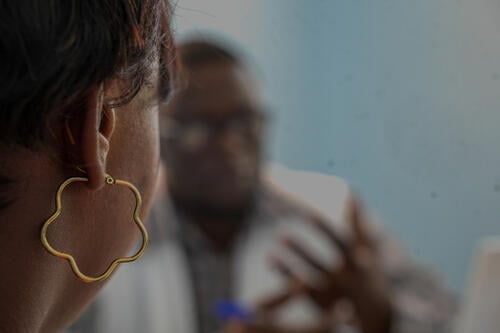
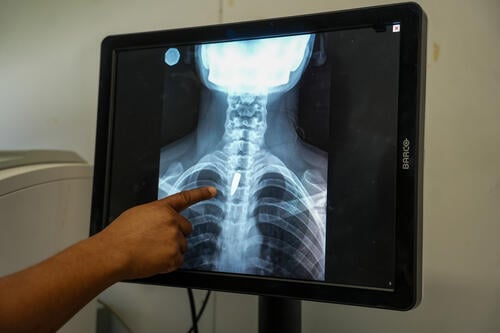
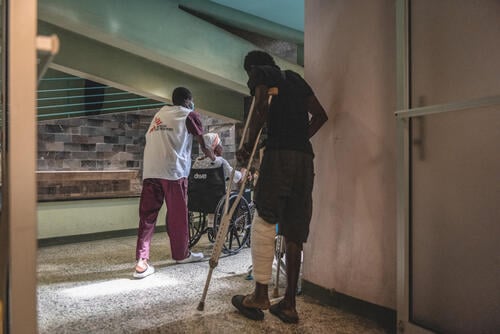
An MSF staff member accompanies a patient at the emergency centre in Turgeau, Port-au-Prince, where victims of violence are treated and stabilised. Haiti, June 2022.
© MSF
People in Haiti continue to bear the brunt of political instability and escalating violence, which have pushed the healthcare system to the brink of collapse.

In Haiti, we provide care to victims of trauma, survivors of sexual and gender-based violence, as well as sexual and reproductive care. With natural disasters regularly occurring in the country, emergency response also remains a central aspect of our work in the country.

Since the assassination of the Haitian President in 2021, the people of the capital Port-au-Prince have been struggling to survive as armed gangs, police, and civilian self-defence brigades fight in the streets of the city. The already volatile situation has been deteriorating even further after an announcement on 28 February 2024 that elections would be postponed until as late as August 2025. More than 15,000 people were displaced in Port-au-Prince within just one week in early March.

We are scaling up our medical activities to care for the mounting number of people injured in the escalating violence and political unrest that has engulfed the city.

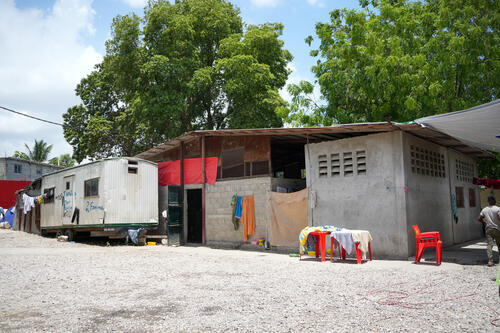
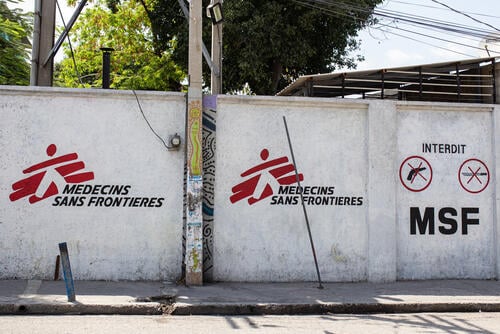
Our teams currently run two trauma hospitals  in Tabarre and Carrefour, two emergency centres in Drouillard and Turgeau, and one centre for survivors of sexual violence in the Port-au-Prince metropolitan area. Mobile clinics have been temporarily suspended due to  the volatile situation.

The situation in Haiti is the climax of an escalation of violence that has been ongoing for years. An MSF survey showed that between 2022 and 2023, the mortality rate in Cité Soleil was exceptionally high. One in eight people were exposed to episodes of extreme violence such as murder, rape or lynching in the street.

The deteriorating humanitarian situation in Haiti has not been met with an adequate humanitarian response, especially for health, water and sanitation. The healthcare system is on the verge of collapse, with public hospitals no longer able to provide free care. Displaced people are living in unsafe and unsanitary conditions and require humanitarian support.

Port-au-Prince is being devastated by a wave of violence and insecurity that is causing a great number of injuries and large-scale displacement, while making it nearly impossible for patients to access medical care and for medical facilities to continue functioning.

Tabarre hospital increased its capacity by 50 per cent and another hospital has opened in Carrefour, while our Emergency Centre in Turgeau re-opened earlier than planned due to the recent escalation of violence.

Our response relies on our ability to ensure sufficient supplies for our hospitals; this ability is currently threatened by the blockage of our incoming medical supplies at the city port, due to the length of the custom clearance procedures and the disruption caused by the fighting. We are now urging the authorities to expedite said clearance and are trying to make sure these supplies are shipped to our medical facilities with the utmost urgency. It is essential that our teams are able to bring in supplies to continue responding to the growing health and humanitarian needs in Haiti.  

The airport also remains closed, making it impossible for supplies or staff to arrive by air. We are exploring all options to move additional medical supplies and specialised staff into Haiti, to maintain and even further increase our activities.


What we do in Haiti

Our activities in 2024 in Haiti

Data and information from the International Activity Report 2024.

MSF in Haiti in 2024 Amid escalating violence and mass displacement, Médecins Sans Frontières (MSF) delivered lifesaving treatment for trauma and burns, as well as care for victims and survivors of sexual violence, and essential maternal and neonatal care in Haiti in 2024.
Haiti IAR map 2024
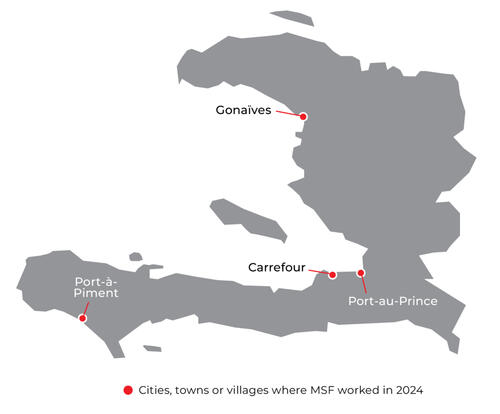
Country map for the IAR 2024.
© MSF

Since 2021, political instability and armed group violence have reached intolerable levels in Haiti. On 29 February 2024, the situation deteriorated further when armed groups that had previously fought each other but had united under the Viv Ansanm (‘living together’) alliance in late 2023, intensified their attacks on the authorities, public institutions, and utilities, disrupting essential services – electricity, water, healthcare, education, and transportation – and leaving millions struggling to meet basic needs. Over the course of the year, armed groups gained control of approximately 85 per cent of Port-au-Prince,[1] turning the capital into a battleground, with gangs fighting the police and community self-defence groups. Local residents are often attacked based on their perceived loyalties or where they live.

The first quarter of 2024 was the deadliest since the UN began tracking armed group violence in Haiti.[2] Between February and April, the number of patients arriving with gunshot wounds at MSF’s Tabarre trauma hospital surged from 60 to 100 per month, and we had to expand from 50 to 75 beds to meet the growing demand for surgery. Several major hospitals in Port-au-Prince closed due to mounting insecurity. In 2024, Haiti recorded 5,600 deaths and 2,200 injuries related to violence, a 17 per cent increase compared to the previous year.[3]

Mass displacement is deepening the humanitarian crisis in Haiti, with over one million people driven from their homes in the span of a single year.[4] Many live in informal sites with limited access to water and sanitation facilities, which increases the risk of water-borne diseases. In August, MSF provided treated water in 15 sites, trained site managers on water chlorination and hygiene, built or renovated latrines and emergency showers, and distributed hygiene kits. MSF’s mobile clinics treated people for a wide variety of conditions, including water-borne diseases such as acute watery diarrhoea, and scabies.

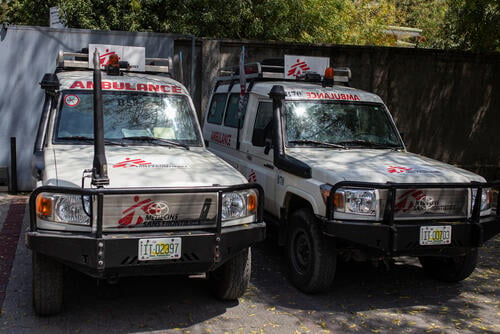
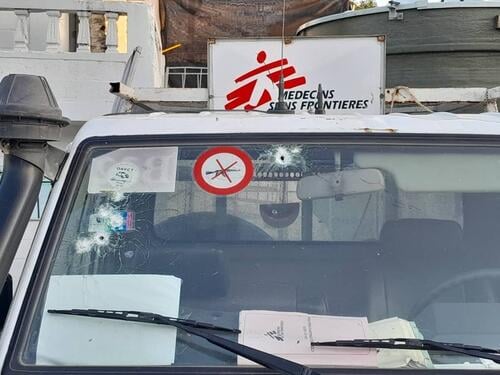
In this volatile situation, MSF teams faced severe security threats and incidents that disrupted operations. On 11 November, during an attack on an MSF ambulance, two patients were executed, and accompanying staff members assaulted. In the following days, MSF ambulances were repeatedly stopped by police, who threatened staff with death and sexual violence. As risks grew, we temporarily suspended most of our activities in Port-au-Prince on 20 November, further reducing access to critical healthcare. We partially resumed activities on 11 December.

Treatment for trauma and burns
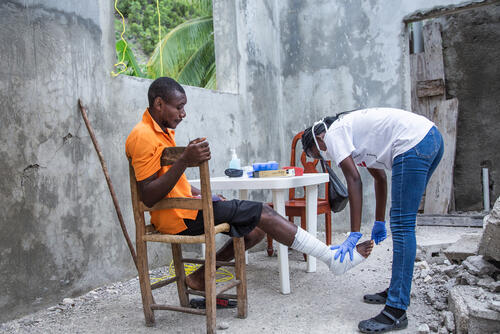
In March, in response to the significant increase in emergency medical needs, MSF opened the Sant MSF pou Blese trauma centre in Carrefour, Port-au-Prince, to treat victims of gunshot wounds, stabbings, burns, and road accidents. The Turgeau emergency centre, which had closed in December 2023 after a patient was forcibly taken from an ambulance and killed, reopened in March to strengthen emergency care.

On 14 September, a fuel truck explosion in Miragoâne, Nippes department, injured many people. MSF responded by providing critical care to 16 burns victims at Tabarre trauma hospital, the only facility with a specialist burns unit in the country, and six others at Carrefour trauma hospital. As well as treatment for wounds, MSF offers physiotherapy and mental health support to burns patients.

Sexual and gender-based violence
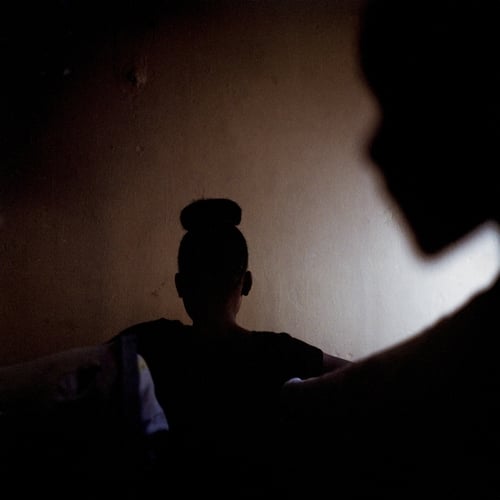
The ongoing gang war in Port-au-Prince has led to a steep increase in sexual and gender-based violence (SGBV), leaving victims and survivors in urgent need of shelter, mental health support, and medical care. Since 2015, MSF has offered comprehensive medical and psychological support for victims and survivors of SGBV through Pran Men’m clinic. In 2024, we also provided these services at Carrefour maternity hospital, and at a new programme in Cité Soleil. Meanwhile, we concluded a five-year project that we had been running in Gonaïves, Artibonite department, focused on adolescent sexual health and supporting victims and survivors of SGBV. 

Maternal health
The maternal death rate in Haiti remains alarmingly high, rising from 154.9 deaths per 100,000 births in 2022 to 201.2 in 2023. South department, still reeling from the 2021 earthquake, has one of the highest rates, at 343.9 deaths per 100,000 births.[5] Many healthcare facilities have still not been repaired, while in Port-au-Prince, the brutal fighting in the streets prevents women from seeking care.

In response, MSF, in partnership with the Ministry of Public Health and Population, continues to offer emergency obstetric and neonatal services in Port-à-Piment, where teams assist with deliveries, including those requiring specialist care. To further improve maternal healthcare, MSF started to rehabilitate Isaïe Jeanty maternity hospital in the Chancerelles district of the capital in November 2024. Once completed, the facility will deliver free, high-quality maternal care, family planning, support for victims and survivors of SGBV, and referrals.


in 2024

find us online