


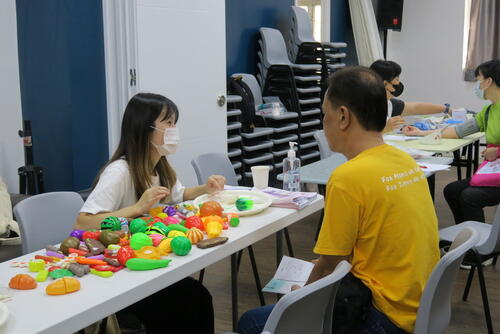
MSF teams returned to Hong Kong in August 2023 to provide free basic healthcare to people experiencing homelessness.
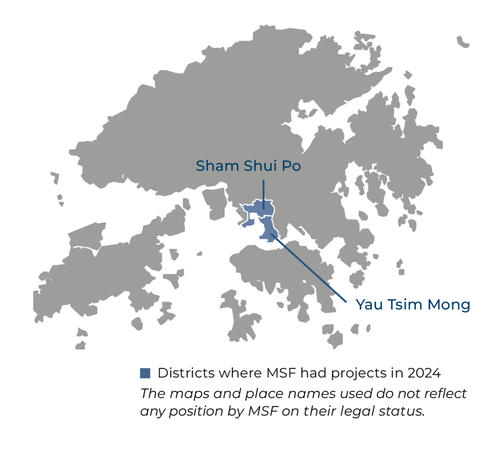
Over 16 months, we partnered with local non-governmental organisations in the Yau Tsim Mong and Shum Shui Po districts to increase the health literacy of people experiencing homelessness and connect them to health services. The project concluded in December 2024.
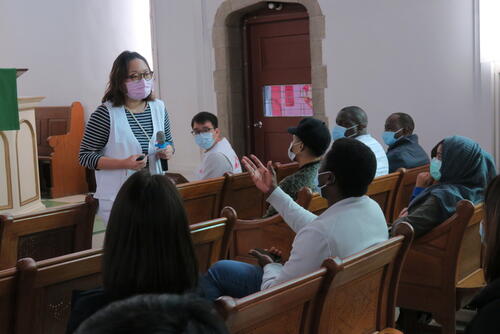
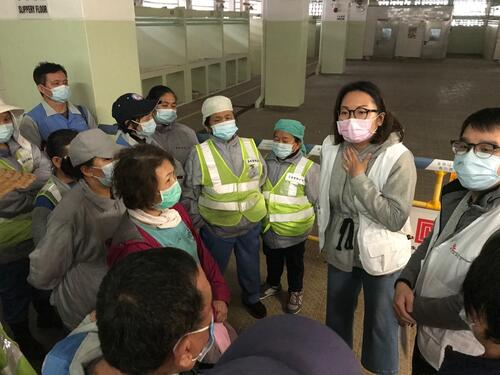
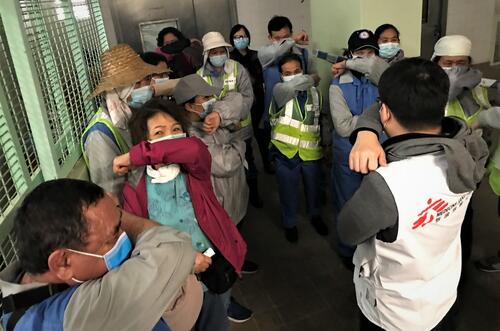
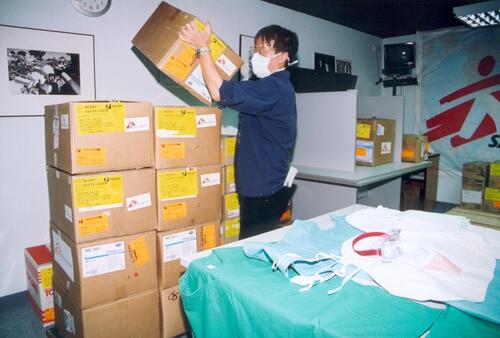
Before this most recent project, MSF teams had responded to outbreaks of coronaviruses in Hong Kong, notably SARS in 2003 and COVID-19 in 2020. In response to the COVID-19 pandemic, MSF teams provided face-to-face and virtual health promotion sessions with vulnerable people less likely to be able to access information, such as refugees, and those on the front line, such as street cleaners.
We also created a website to help people manage their stress and worry, which included tips and tools on how to cope.
MSF medical teams and outreach workers had also assisted people experiencing homelessness, by providing free medical consultations, and arranging temporary shelter and distributing food and water where needed.
Our activities in 2024 in Hong Kong SAR
Data and information from the International Activity Report 2024.
3
3
€0.4 M
0.4M
2003
2003
MSF in Hong Kong SAR in 2024
Between August 2023 and December 2024, Médecins Sans Frontières (MSF) ran a basic healthcare project for people experiencing homelessness in two districts of Hong Kong Special Administrative Region (SAR).

500
5
96
96

Hong Kong
MSF completes healthcare project for people experiencing homelessness in Hong Kong
Project Update
17 Jan 2025
Coronavirus COVID-19 pandemic
Supporting preparedness efforts to fend off coronavirus
Voices from the Field
14 Feb 2020
Coronavirus COVID-19 pandemic
Providing materials, engaging communities in the COVID-19 coronavirus outbreak
Project Update
14 Feb 2020
Coronavirus COVID-19 pandemic
MSF update on COVID-19 coronavirus outbreak
Project Update
14 Feb 2020

Access to medicines
WTO sacrifices access to medicines before Hong Kong ministerial meeting
Press Release
12 Dec 2005
Hong Kong
SARS protection supplies donated to Hong Kong hospital authority
Project Update
10 Apr 2003