


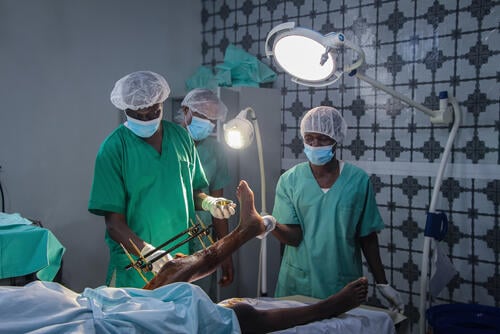
We respond to emergencies and assist people fleeing violence and armed conflict. In 2019 and 2020, we responded to the country's biggest-ever Ebola outbreak, in Ituri and North Kivu provinces.
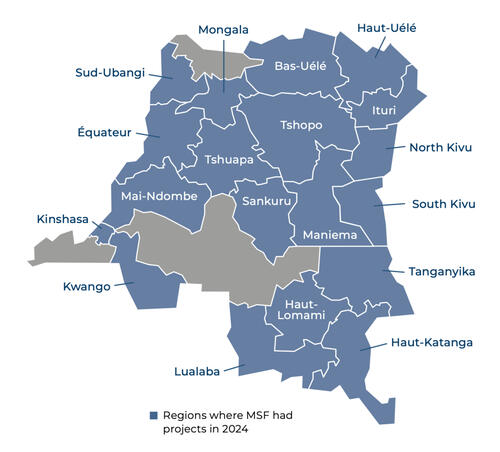
We run some of our largest programmes in the Democratic Republic of Congo (DRC). In 2019, we worked in 21 of out of the country's 26 provinces and responded to one of the biggest outbreaks of measles in decades. We also worked with people displaced by conflict, and those with health problems such as HIV/AIDS.
People have little access to healthcare, and disease outbreaks are frequent due to poor surveillance and infrastructure. Violence has led to crises in the Kivus, Tanganyika and Kasai regions, and has forced millions to flee. Three of our staff, abducted in North Kivu in 2013, are still missing.
Our main areas of activity in DRC

01
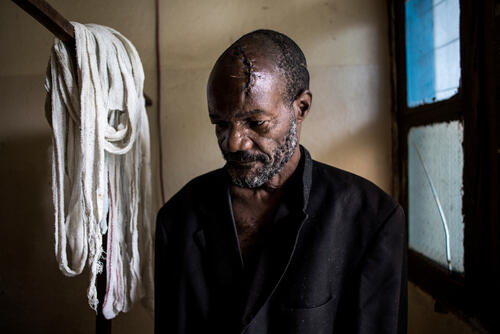
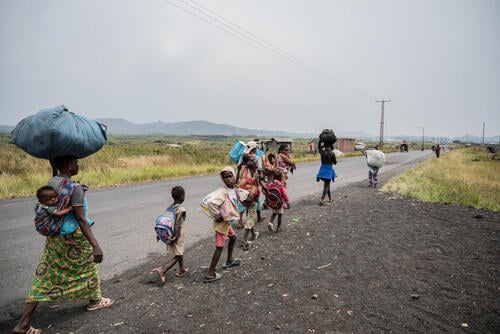
Conflict and displacement
Armed conflict has triggered massive movements of people and their needs are immense. We provide emergency responses in the areas affected, notably currently in North and South Kivu, Kasai, Ituri and Tanganyika among others. We treat the wounded, cover basic health needs and adapt our services accordingly.
02
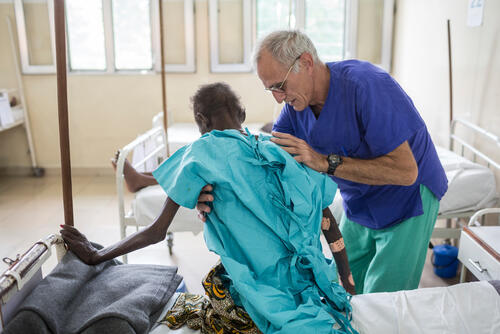
HIV/AIDS
We support the national HIV/AIDS programme, which is implemented by the country's health authorities. Our teams work on improving access to screening and treatment, reinforcing treatment adherence, and patient retention. Awareness-raising through community-based activities is an important part of our projects.
03
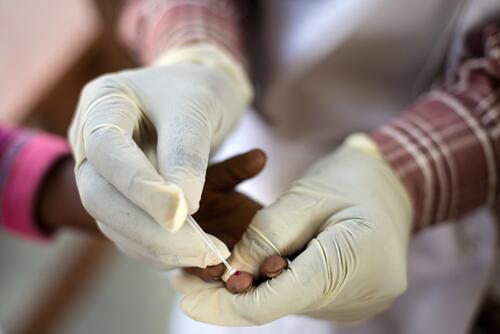
Malaria
According to official statistics in DRC, malaria causes four times more deaths per year than conflict, meningitis, cholera, measles and respiratory diseases combined. Children are the most severely affected. Most of our projects include malaria care. We also carry out emergency interventions to contain outbreaks.
04
Outbreak response
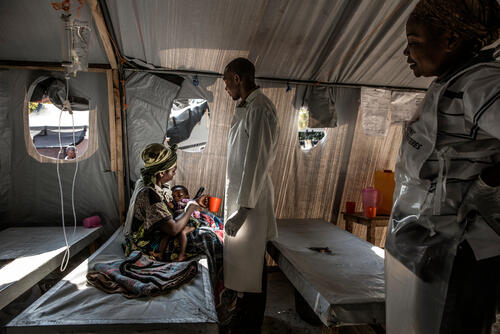
DRC is prone to outbreaks of infectious diseases, such as measles, yellow fever and cholera. We run mobile teams, which can be quickly deployed in emergencies. Among our responses to outbreaks of communicable diseases are vaccination campaigns, case management (including surgeries), health promotion and water and sanitation activities. Ebola outbreaks are also recurrent in DRC, and we support local authorities in the response.
Read more on recent Ebola outbreaks in DRC
05
Women's health
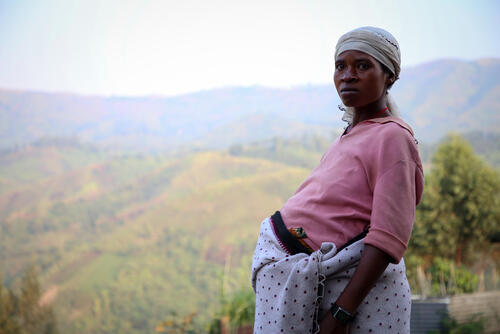
Many of our projects have an important component of women's health. Sexual violence is also a major issue in DRC, affecting men and boys as well as women and girls. We provide medical and psychological support, organise family planning activities, antenatal and postnatal consultations, and treat patients for sexually transmitted diseases.
06
Malnutrition
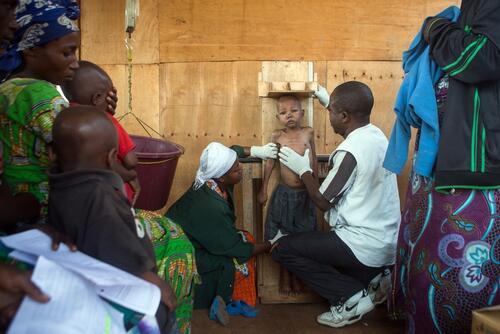
In 2017, we observed an increase in admissions for malnutrition in all our medical structures. This is due to violence-triggered displacement, a bad agricultural season, and less funding. We are treating malnutrition in North Kivu, South Kivu and Kasai provinces.
Our activities in 2024 in DRC
Data and information from the International Activity Report 2024.
2,819
2,819
€130.2 M
130.2M
1977
1977
MSF in Democratic Republic of Congo in 2024
The Democratic Republic of Congo (DRC) was Médecins Sans Frontières’ (MSF’s) largest country of operation in 2024. Our teams responded to people’s immense humanitarian needs, which have been exacerbated by years of conflict.
2,285,100
2,285,1
834,300
834,3
46,900
46,9
19,700
19,7
15,600
15,6
1,220
1,22
Democratic Republic of Congo
People are trapped in a climate of insecurity amidst clashes in parts of South Kivu
Project Update
23 Feb 2025

Democratic Republic of Congo
DRC: Statement following the passing of our colleague
Statement
22 Feb 2025
Democratic Republic of Congo
Democratic Republic of Congo: MSF staff member critically injured in Masisi town after shots hit MSF base
Press Release
20 Feb 2025
Democratic Republic of Congo
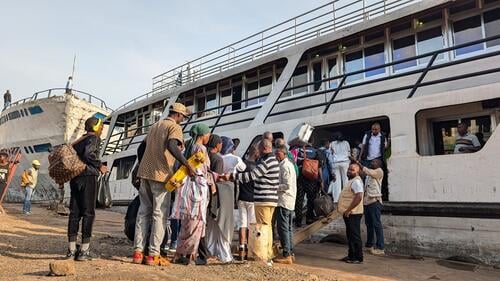
DRC: Injured seek treatment from MSF-supported hospitals in Bukavu amid fighting
Interview
18 Feb 2025
Democratic Republic of Congo
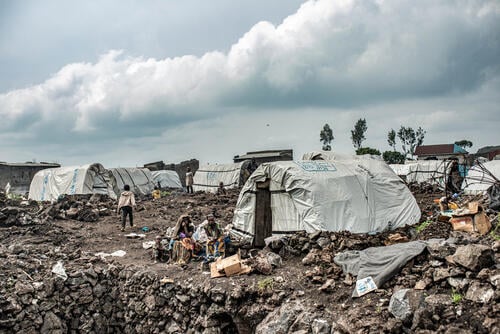
Assistance needed for people leaving and staying in Goma following weeks of violence
Press Release
13 Feb 2025

Democratic Republic of Congo
A chaotic situation and many war-wounded in Goma
Voices from the Field
31 Jan 2025

Democratic Republic of Congo
MSF appeals for humanitarian access in Goma as casualties seek medical care
Press Release
29 Jan 2025
Democratic Republic of Congo
Three questions on the intensification of the armed conflict in North and South Kivu
Interview
25 Jan 2025
Democratic Republic of Congo
Masisi General Referral hospital hit again by gunfire leaving two MSF staff slightly injured
Press Release
20 Jan 2025