


In Gaza, Palestine, Dr Randa Abu El-Khair Masoud is a medical adviser with Médecins Sans Frontières (MSF). She describes the immense strain that restrictions on medical supply entry have placed on MSF teams providing care to patients.
Every day, in our hospitals and clinics, we see the impacts of the restrictions on the entry of medical supplies into Gaza, Palestine. The needs in Gaza are massive, yet not enough aid is entering because Israeli authorities are blocking it. Just outside of Gaza, there are trucks with food and medicine waiting, yet they are blocked. MSF has not been able to bring in any supplies since 1 January 2026.
Currently, we are struggling with a critical shortage in our stock of non-communicable disease (NCD) medication. Almost 50 per cent of our essential medications for chronic diseases are in critically low stock, including medications for diabetes, hypertension, thyroid gland, asthma and other respiratory diseases. These shortages jeopardise our ability to provide essential care for chronic diseases. We have already had to stop accepting new patients to our NCD services, limiting the provision of care and the dispensing of medicine only to our existing group of patients. This shortage in proper care will inevitably lead to preventable deaths among patients suffering from chronic diseases.
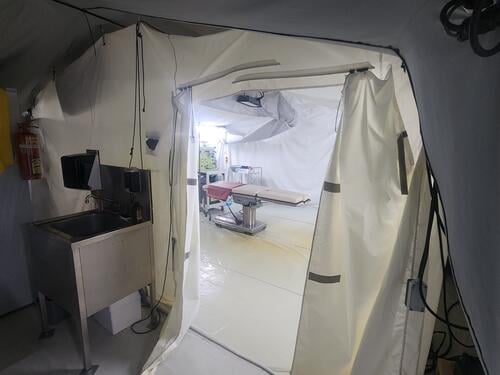
We are also seeing a shortage of dressing materials in our medical facilities, such as gauzes and compresses. This shortage will impact all our activities related to wound care, especially in our field hospital, where we provide dressings for postoperative care, surgeries, and trauma wounds. Having enough dressings is essential to avoid infected wounds or infected burns. On average, at our hospital in Deir Al-Balah, we receive more than 100 patients requiring dressings in the outpatient department, and we admit up to 30 burn patients, every day.
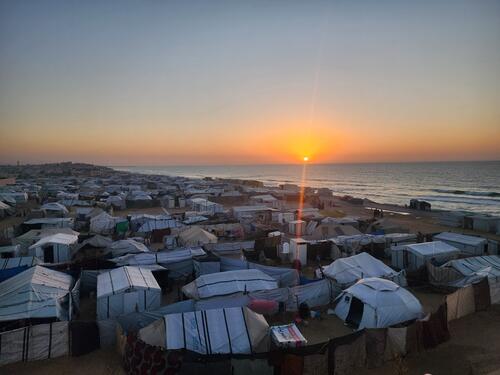
During the full blockade, between August–September 2025, we had to resort to using nonsterile gauze, which the team tried to sterilise in batches. This procedure is not optimal, as it may carry a risk of infection and is used as a last resort. Now, we are close to this point again. While we have been able to get some limited supplies of compresses from other MSF facilities, these supplies are not sustainable options when there are not enough stocks across hospitals.
Another critical impact of these restrictions is the supply strain on medical equipment. We have not been able to bring in any new equipment since the beginning of this year, which is putting huge amounts of stress on our teams and activities. For instance, two weeks ago, during surgery on a two year old child, we had an incident where the bone drill was nonfunctional. It was the only one that we had in the hospital. The team had to find a replacement from another hospital, which caused a delay in the surgery and stress for the team.
Since we cannot bring in new supplies or spare parts, malfunctioning equipment can mean having to postpone or suspend surgeries. These delays and suspensions can have severe consequences for patients and their recovery process, even leading to a disability or the worsening of a disability. Currently, we are completely dependent on the equipment that we already have inside Gaza, which has been used for a long time. Due to the high need and strain, we are seeing more malfunctioning equipment.
Our teams are working hard to continue providing care, but they are under immense strain. Our teams’ dedication and last-resort solutions cannot replace a stable and unhindered entry of supplies. We need medical supplies and equipment to enter Gaza now.
Gaza-Israel war
Addressing frequently asked questions and allegations about MSF’s work in Gaza
Project Update
17 Apr 2026
Gaza-Israel war
"This is not a ceasefire": Life in Gaza continues to be suffocated six months on
Press Release
10 Apr 2026