


Médecins Sans Frontières (MSF) is alarmed by the dramatic escalation in conflict across the Middle East, following strikes by US and Israeli forces in Iran and Iran’s subsequent retaliatory actions in several countries.
Across the region, the escalation in violence has brought fear to the lives of millions of people, including in Lebanon, Iran, and the Gulf countries. Bombing continues across multiple cities and villages, often hitting densely populated areas, and casualties are mounting. Millions of people have been forced to flee – often with little or no possessions – and many have been displaced multiple times.
MSF calls for the protection of civilians, hospitals, health facilities, and other essential infrastructure.
Our teams are adapting our programmes and/or preparing to respond in different countries. We are closely monitoring the rapidly evolving humanitarian needs.
How is MSF responding in the Middle East?
How is MSF responding in Lebanon?
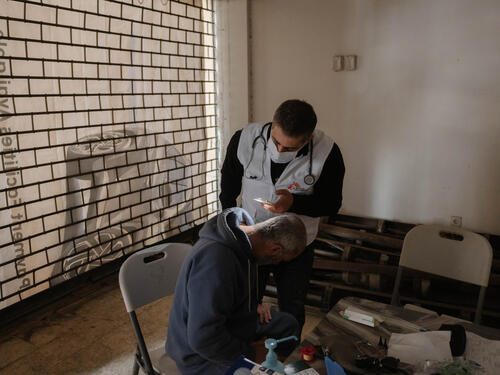
In Lebanon, MSF teams are working in all of the country’s nine governorates, adjusting and responding to urgent needs. Our teams are running mobile units, supporting shelters for displaced people, distributing essential items and water. We are also assessing medical activities for trauma cases.
Our teams are working across 15 mobile clinics providing basic healthcare, medications for non-communicable diseases, sexual and reproductive health consultations, and mental health support in seven out of the country’s nine governorates, including Beirut. We also provide care through fixed clinics in an additional governorate, Baalbek-Hermel, and in Beirut. Up until 22 March, we’ve provided over 6,800 medical consultations.
Our teams are also distributing essential relief items like hygiene kits, blankets, and drinking water. In South and Nabatieh governorates, which are the most affected, we donate fuel and medical supplies, as well as food parcels for hospital staff in conflict-affected areas.
We’ve also launched mental health helplines to support distressed people in remote or hard-to-access areas.
MSF remains in contact with Lebanese authorities and other organisations and is ready to continue scaling up our response as required.
For more on our response in Lebanon, read our latest articles.
What is the situation in Lebanon?
This recent escalation is part of an ongoing pattern of attacks, despite the November 2024 “ceasefire agreement” between Israel and Lebanon, following the Israeli bombardments and ground incursion in Lebanon in September that year. However, the agreement has never since brought real safety to people in Lebanon. Daily strikes from the Israeli forces killed 370 people between when the “ceasefire” began in November 2024, and 2 March 2026.
In this latest escalation, over one million people – and likely many more – have been displaced. The latest strikes and sweeping evacuation orders are forcing even more people to flee with nowhere safe to go.
The Israeli army has issued blanket evacuation orders for more hundreds of towns and villages south of the Litani River, plus southern Beirut, and parts of the Bekaa valley in eastern Beirut. These evacuation orders collectively cover 14 per cent of Lebanon’s area.
Many people have already been displaced multiple times during previous escalations. Shelters are now overcrowded, with some people sleeping in their cars or on the streets. Others have remained in their homes despite evacuation orders, or returned due to a lack of space in shelters or lack of means to rent accommodation.
Hospitals are receiving casualties, and humanitarian needs are increasing rapidly, including the need for water and essential items, especially in shelters.
How is MSF responding in Iran?
Following the outbreak of the conflict, our teams made initial donations of medical and essential items in Iran. These included kits containing medical and wound care items for 500 patients. We also donated essential items for displaced people, including 5,000 blankets, 4,000 pillows, 15,000 feminine hygiene pads, 10,000 tubes of toothpaste, 5,000 toothbrushes, 10,000 bottles of shampoo, and 10,000 units of washing powder.
Before 28 February, MSF had been running three projects in Iran. In South Tehran, we ran a clinic providing essential healthcare to people engaged in sex work and people who use drugs, plus migrants and refugees. Our clinic in South Tehran is temporarily closed; however, it will soon reopen as a more specialised clinic, to strengthen support to local health systems responding to conflict-related needs, following authorisation which was granted in mid-March.
In Mashhad, near the Afghan border, our teams have been providing medical and psychological consultations and screening for infectious diseases for Afghan refugees in a clinic. In Kerman province, MSF is the only medical organisation providing direct healthcare services to Afghan refugees. Our clinics in Mashhad and Kerman are still open, albeit operating with reduced staff.
What is the situation in Iran?
Receiving information from our staff in Iran is extremely difficult due to the communication blackout. Ongoing hostilities and airstrikes are driving displacement and increasing humanitarian and medical needs in the country.
How is MSF responding elsewhere?
MSF teams are responding through emergency preparedness and response in other countries around the region. Emergency teams have been established in Lebanon, Armenia, and Iraq. Preparedness measures include contingency planning, close monitoring of the situation, pre-positioning of medical supplies, and sending mobile services to respond to growing needs.
To mitigate the impact of disruptions, supply routes have been redirected through alternative channels, and efforts are underway to explore additional transport options, despite increased costs, to ensure the continuity of medical activities. From 28 February up until 24 March, MSF has shipped 42 tons of medical supplies destined for the Middle East, including Iraq, Iran, Lebanon, Palestine, Syria, and Yemen.
How is the conflict affecting humanitarian operations?
The escalation is impacting humanitarian operations. Regional tensions are creating an increasingly volatile and constrained environment for MSF operations across Lebanon, Yemen, Iraq, Iran, Jordan, Palestine, and Syria, although the level and nature of the impact vary between countries.
Overall, airspace closures and heightened security risks are restricting staff movement, delaying medical evacuations, and disrupting activities. At the same time, instability around the Strait of Hormuz is placing additional strain on logistics and supply routes. These developments are already affecting supply chains, increasing the risk of shortages of critical medical supplies, driving up fuel prices, and complicating both air and sea transport.

Lebanon
Lebanon: Humanitarian scale-up urgently needed after almost two months of devastation
Statement
17 Apr 2026
Lebanon
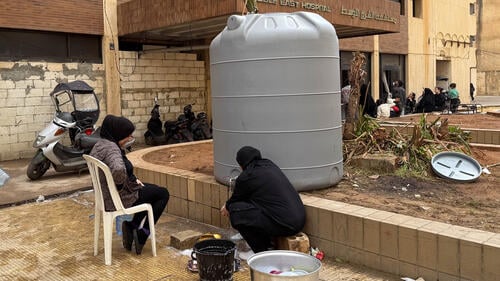
Bringing clean water and sanitation services to forcibly displaced families in Lebanon
Voices from the Field
16 Apr 2026
Lebanon
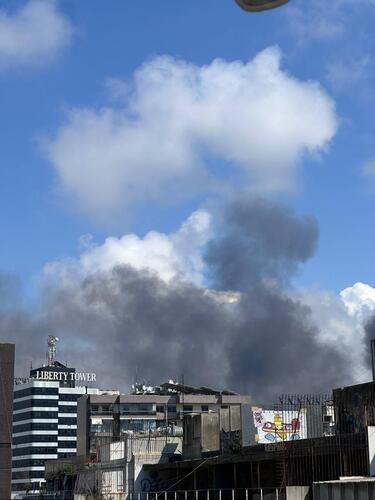
Lebanon: Testimony from a night of mass casualties in Beirut
Voices from the Field
9 Apr 2026