


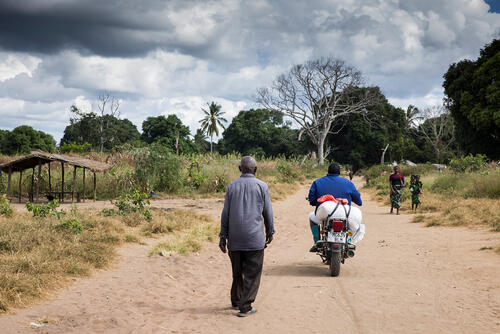
In Mozambique we are responding to emergencies including disease outbreaks, providing care to people with advanced HIV, while also working in the conflict-ridden Cabo-Delgado province.
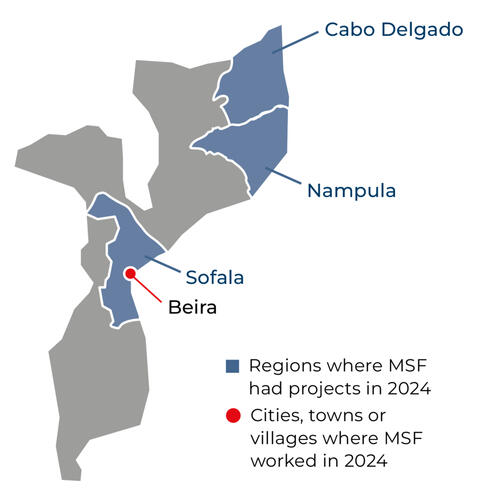
In Beira, we offer sexual and reproductive health services, including HIV testing and treatment, for sex workers and men who have sex with men. In Nampula, MSF teams provide preventive measures and treatment for selected vector-borne, water-borne and neglected tropical diseases under a Planetary Health lens.
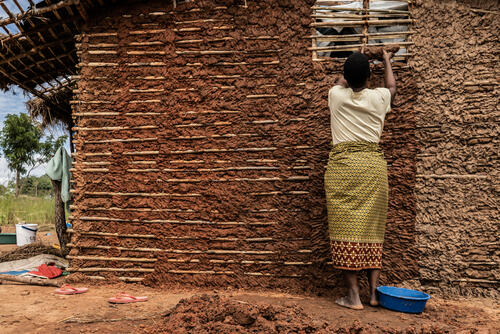
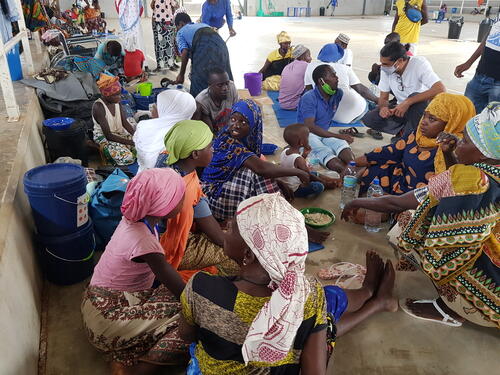
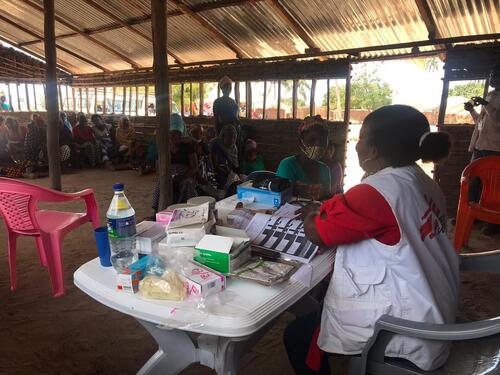
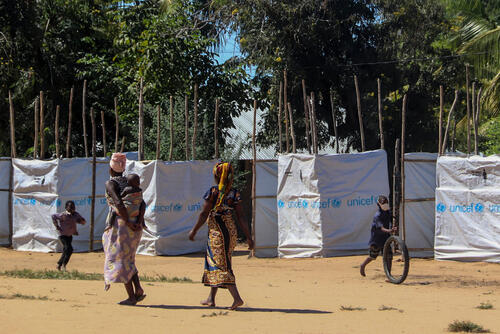
Meanwhile, a slow burning conflict in Cabo Delgado province, in the country’s northeast, continued through 2022, with hundreds of thousands of people attacked and left homeless or displaced. In support, we provide medical and mental health care, and support health and cholera treatment centres through mobile clinics. In addition, our teams provide water and sanitation support as well as relief items such as hygiene and cooking items for those in displaced people’s camps.
Our activities in 2024 in Mozambique
Data and information from the International Activity Report 2024.
834
834
€22.5 M
22.5M
1984
1984
MSF in Mozambique in 2024
Médecins Sans Frontières (MSF) has been working in Mozambique for 40 years, filling crucial healthcare gaps, such as in treatment for HIV, and assisting people affected by conflict and natural hazards.

201,100
201,1
113,000
113,
6,010
6,01
370
37
Mozambique
Focus on fighting ‘terrorists’ ignores real humanitarian needs in Cabo Delgado
Opinion
14 May 2021
Mozambique
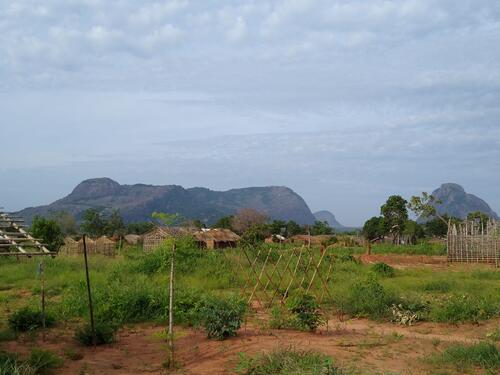
Fear and loss for people fleeing violence in Cabo Delgado
Voices from the Field
16 Apr 2021
Mozambique
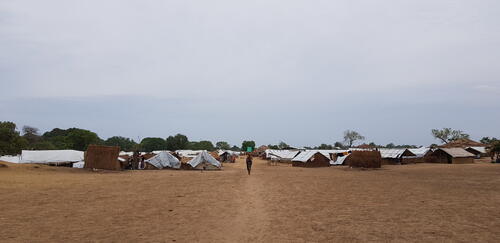
Violence in Cabo Delgado: “Many have seen dead bodies along the way”
Voices from the Field
2 Apr 2021
Mozambique
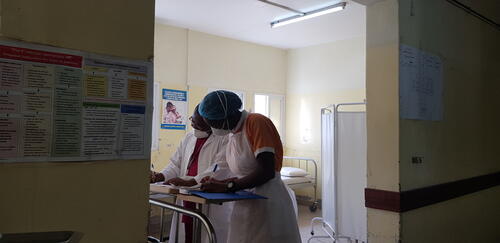
Displaced by violence, people in Cabo Delgado arrive in more mental than physical pain
Interview
4 Mar 2021
Coronavirus COVID-19 pandemic
Ravaged by new strain, southern Africa must get COVID-19 vaccines
Press Release
3 Feb 2021
Mozambique
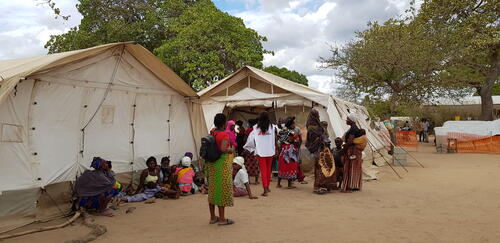
Urgent assistance needed for hundreds of thousands of people displaced by violence in Mozambique
Press Release
3 Nov 2020
Mozambique
“It was like the end of the world” during attack in northern Mozambique
Voices from the Field
30 Jun 2020

Mozambique
Thousands displaced, healthcare jeopardised, as violence surges in Cabo Delgado
Press Release
5 Jun 2020