


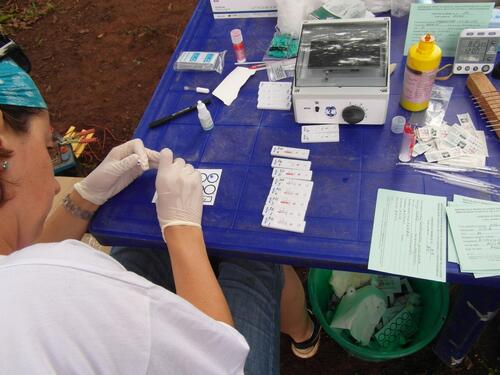
Sleeping sickness, or human African trypanosomiasis, is a parasitic infection which attacks the body’s central nervous system; without treatment the disease is almost always fatal.
Considered a neglected disease, there are two forms of sleeping sickness, caused by two different parasites: Trypanosoma brucei gambiense, which is found in western and central Africa accounts for 94 per cent of cases; Trypanosoma brucei rhodesiense, is found in eastern and southern Africa.* Both parasites are transmitted by the bite of the tsetse fly.
Over the past 25 years, the number of new cases has decreased by 98 per cent; today there are fewer than 600 cases reported annually.
The disease causes severe neurological conditions, including poor coordination, confusion, agitation, aggressiveness or disinhibition. Previous treatments have included arsenic-based injectable drugs so toxic the treatment itself killed people. In February 2026, MSF’s partner organisation, DNDi, received approval for a breakthrough new drug they've developed, acoziborole, which can cure people with a one-dose oral pill that’s safe and effective.
*WHO: Trypanosomiasis, human African (sleeping sickness)
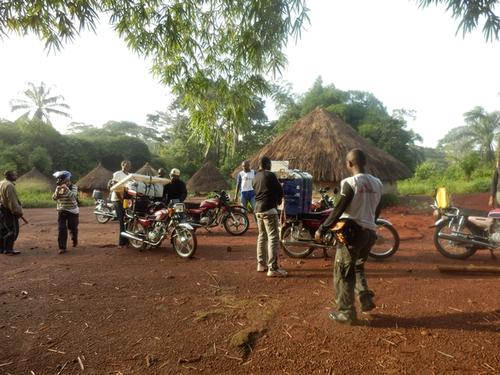
Democratic Republic of Congo
Treating sleeping sickness in the forests
Voices from the Field
23 Jul 2013

Neglected diseases
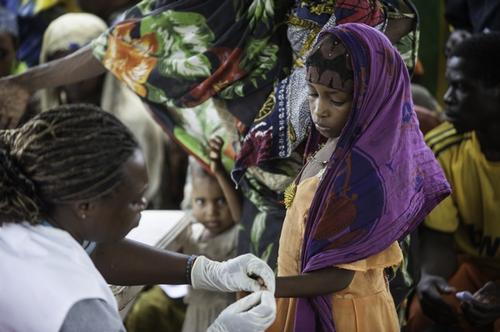
Fighting Neglect: Finding ways to manage and control visceral leishmaniasis, human African trypanosomiasis and Chagas disease
Report
11 Jun 2012
Neglected diseases
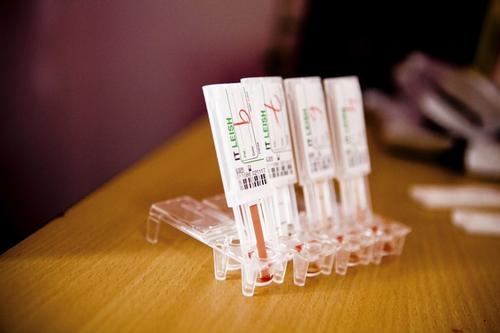
New MSF report highlights how to break cycle of neglect
Press Release
11 Jun 2012

Medical Resource
MSF Field Research
We produce important research based on our field experience. So far, we have published articles in over 100 peer-reviewed journals. These articles have often changed clinical practice and have been used for humanitarian advocacy. All of these articles can be found on our dedicated Field Research website.
Visit site