


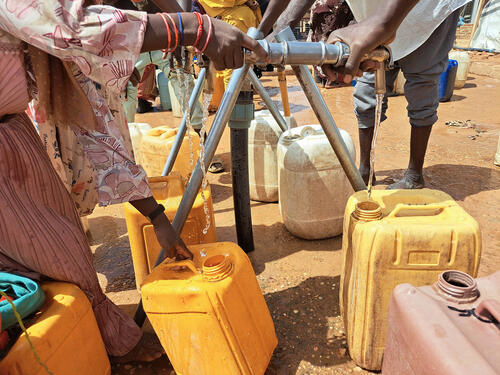
Clean water and sanitation services are necessities for good health.
After a flood, damaged infrastructure for sanitation and water services needs to be quickly fixed. At a new refugee camp, showers and latrines have to be built. And where waterborne diseases are endemic, safe sources for water must be identified.
Around the world, our teams are responding to disease outbreaks that result from unclean water and unsanitary living conditions. They’re also preventing these outbreaks from happening by providing communities with the water, sanitation, and hygiene services they need. Not only because people should be free from these diseases, but because clean water and sanitary living conditions are crucial for reinforcing people’s dignity.
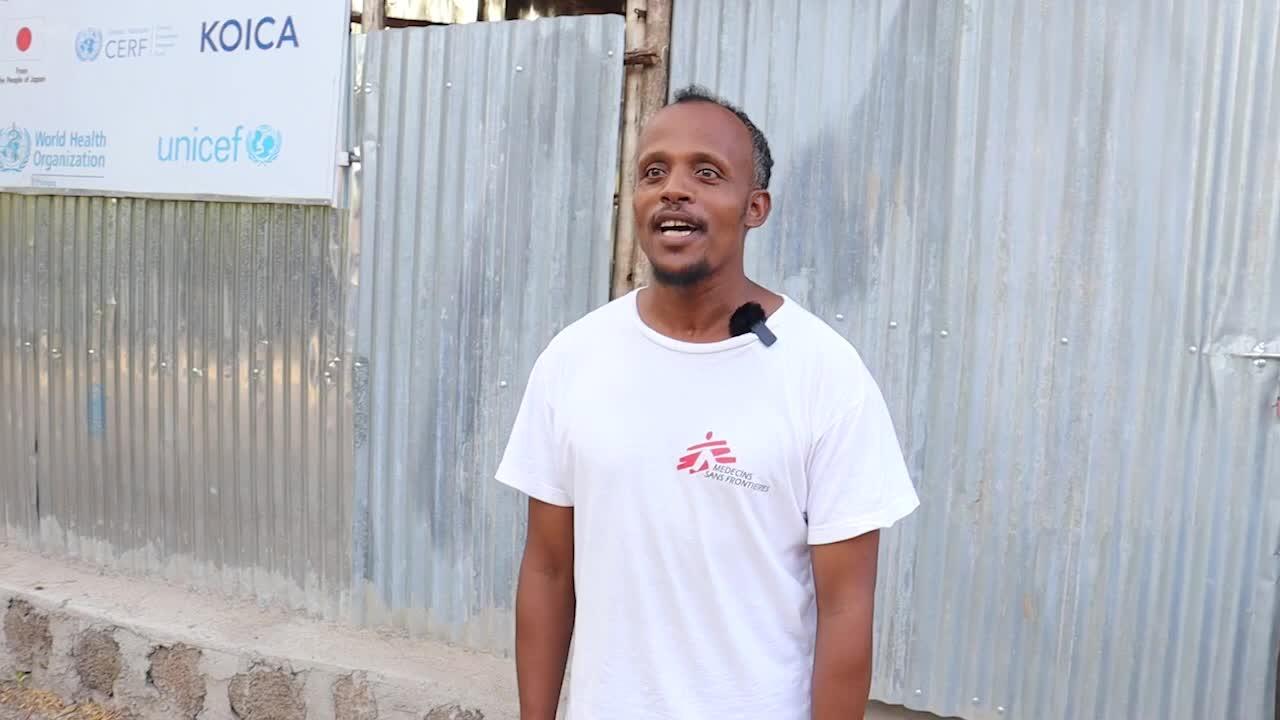
Video
Supplying clean water in Ethiopia

1.35B
1.35B
6,200
6,2
Featured
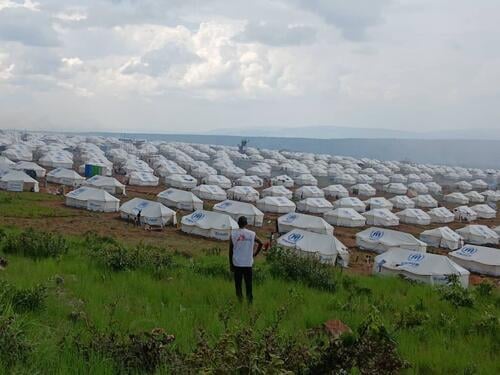
Burundi
The humanitarian situation for refugees in Burundi remains alarming
Project Update
14 Jan 2026
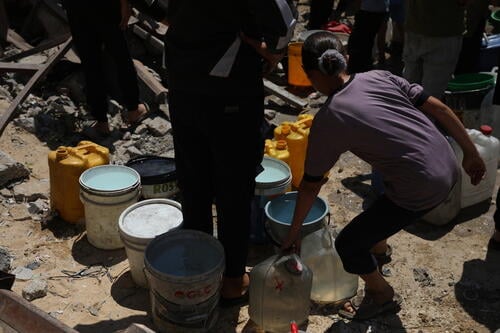
Gaza-Israel war
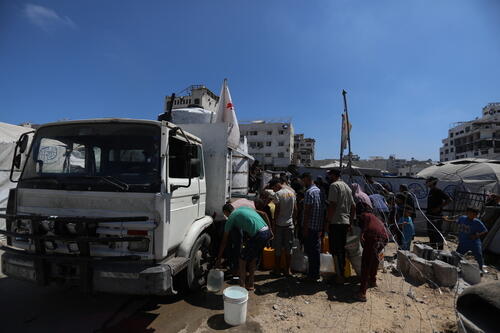
MSF condemns Israeli attack on water distribution site in Gaza City
Statement
18 Sep 2025
Gaza-Israel war
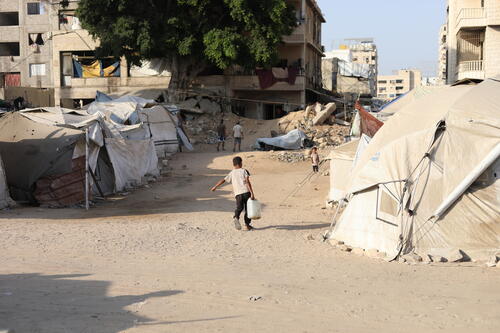
Israeli authorities are starving Palestinians of water in Gaza
Press Release
21 Aug 2025
Mozambique
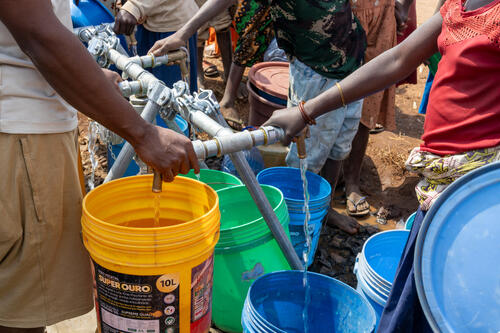
Violence in Cabo Delgado sparks new wave of mass displacement as needs surge
Press Release
21 Aug 2025
Democratic Republic of Congo
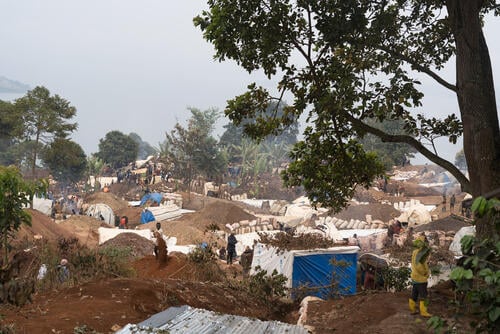
MSF responds to cholera outbreak following gold discovery in Lomera, South Kivu
Project Update
26 Jun 2025

Kiribati
Dedicated health professionals improve care for people on Kiribati
Project Update
23 May 2025
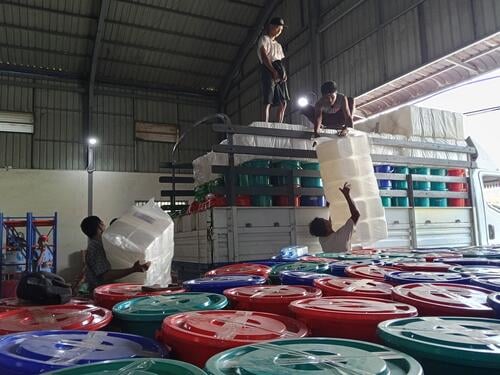
Myanmar
Response to devastating earthquake in Myanmar driven by solidarity and dedication
Voices from the Field
9 May 2025
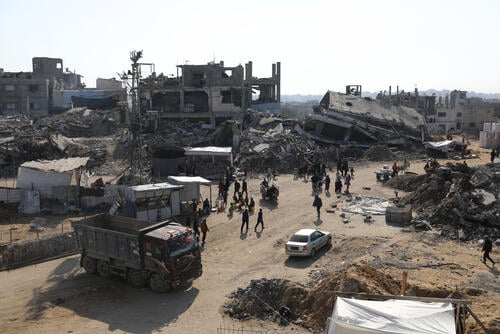
Gaza-Israel war
Access to water, electricity and fuel blocked in Gaza amidst shattered ceasefire
Press Release
25 Mar 2025