


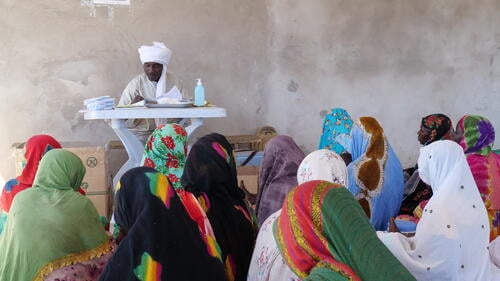
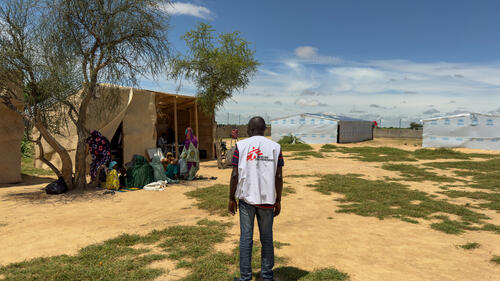
In Sila, eastern Chad, Médecins Sans Frontières (MSF) has set up a community-driven project, designing our health programme in partnership with the Ministry of Health and local communities. In an area heavily affected by climate change, this initiative places the community at the heart of decision-making and implementation of activities, aiming to create a more sustainable and impactful healthcare model.
“Major floods in recent years have significantly reduced access to medical care,” says Honorine B. Uwaringenzi, MSF medical team leader in Sila. “MSF shifted its strategy to empower communities to own their healthcare, ensuring a more lasting and meaningful impact.”
Community members behind the camera
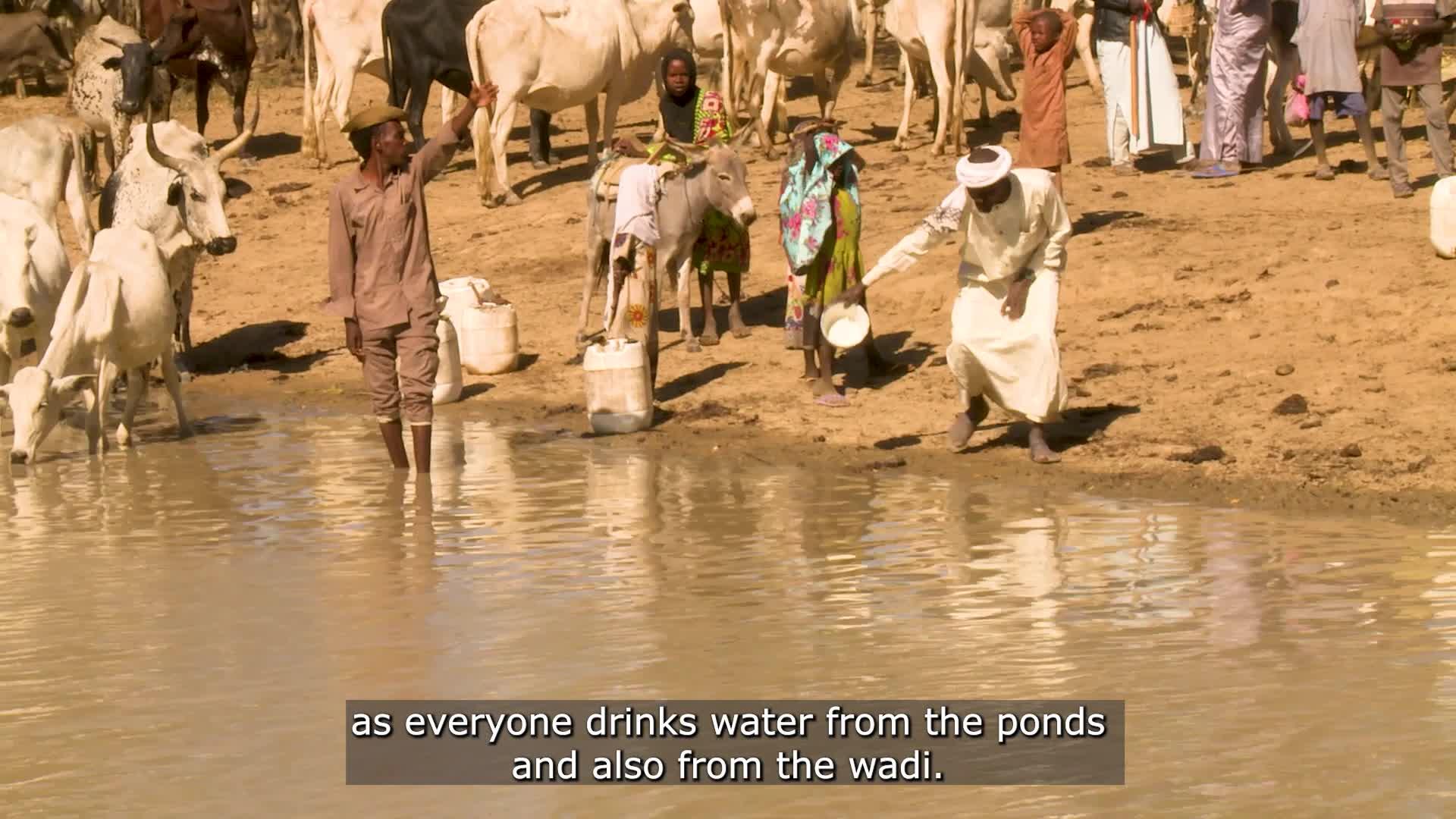
To illustrate this approach, community members were trained and actively filmed to produce a participatory video, capturing their day-to-day surroundings and their role in delivering healthcare. This powerful video offers a unique perspective, highlighting the collective efforts of the community and providing a different angle for anyone interested in community-based solutions.
Video
Communities redefining healthcare delivery in Chad
Embedded in a chronic crisis
Marked by recurrent health outbreaks – such as cholera, hepatitis E, measles, diphtheria – Chad faces a chronic health crisis. Weak official health facilities, insufficient qualified personnel, and a shortage of medicine supplies are exacerbating the situation. In addition, the lack of roads and means of transport, compounded by environmental changes like recurrent flooding, continues to further isolate villages and communities.
Throughout our years of working in Chad, we learned the limitations of setting up humanitarian aid models in the country based on strengthening the public health system in formal health facilities. This approach may question the sustainability of intervention models after MSF’s departure: how do we ensure the durability of our actions in a protracted crisis like Chad?
Our project in Sila seeks to address this question by actively involving the community through a decentralised approach.
Co-creating care with communities for a sustainable change
“Community members face many barriers to access health facilities, so early disease detection and treatment poses a significant challenge,” explains Uwaringenzi. “Preventive measures with access to early screening and treatments are essential and increase chances of a positive outcome in case of illness.”
In each of the 91 villages MSF works in the project, the community has designed two members that have been trained and equipped by MSF to become community health workers, traditional birth attendants and MUAC mothers.
1
Their role is to respond to simple health needs and detect the earliest signs of diseases, such as malaria, diarrhoea, respiratory infections, and malnutrition.
By supporting the community in organising both preventive and curative care, MSF teams aim to improve early disease detection and treatment, but also to strengthen local capacity to manage health crises independently.
Responding to environmental challenges
Additionally, our teams are supporting water and sanitation activities to mitigate the impact of environmental changes and ensure sustainable access to healthcare. Communities in Sila are greatly affected by climate changes, especially during the rainy season as severe flooding drastically disrupts access to healthcare, access to food and other aspects of daily life.
“Community members are often cut off from services and assistance when wadis (dry riverbeds) and roads are flooded,” explains Souley Harouna, MSF head of mission in Chad.
Through this community-led initiative, MSF strives to durably reinforce existing community health systems rather than temporarily replace them – with the hope that they last beyond our presence.
Conflict in Sudan
Sudanese refugees in Chad are safe from bombs but struggling to survive
Project Update
25 Jun 2025
Conflict in Sudan
MSF calls for urgent aid to support Sudanese refugees fleeing to Chad
Press Release
2 Jun 2025