


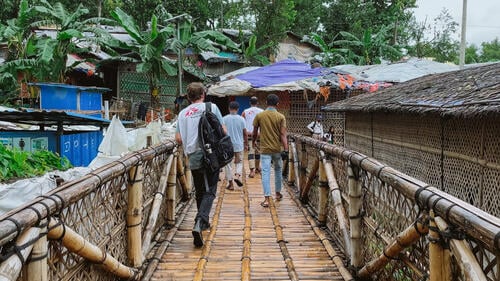
Eight years on from fleeing targeted violence in Myanmar, Rohingya people are still living in dire conditions in the Cox’s Bazar district of Bangladesh.
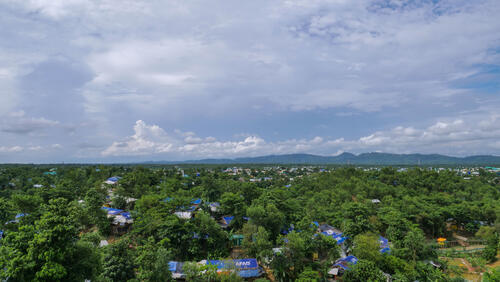
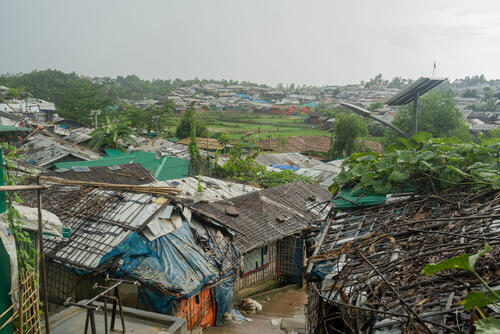
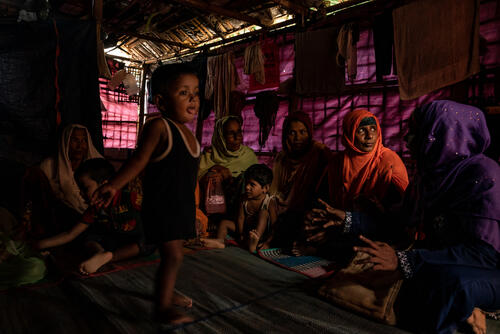
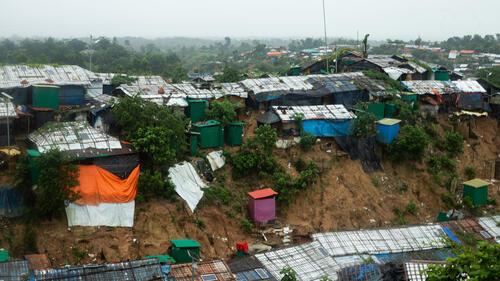
Around 1 million Rohingya refugees are living in Cox’s Bazar, which has hosted refugees from Myanmar since 1978. As violence continues in Rakhine state, Myanmar, people continue to flee across the border to Bangladesh. They arrive to Cox’s Bazar’s over-cramped living spaces and lack of basic services, finding themselves reliant on humanitarian aid for survival.
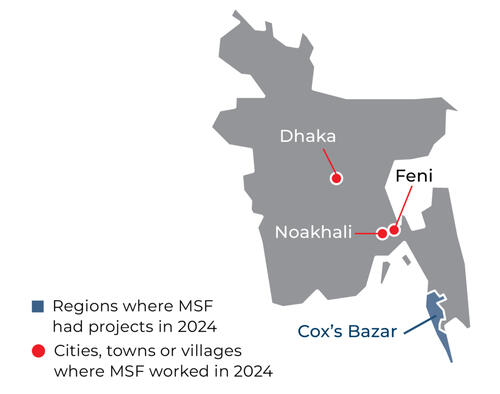
We are on site in Cox’s Bazar, running three 24/7 hospitals and supporting in five other health facilities. Our teams provide free of charge services like family planning, neonatal intensive care, mental health support, and non-communicable disease management. In 2025, we began a “test and treat” campaign for hepatitis C in the camps, with the aim of treating 30,000 people by the end of 2026.
In 2025, we finished our work in Bangladesh’s capital city, Dhaka, where we were running a clinic for local communities in the Kamrangirchar neighbourhood. As a low-lying coastal country, Bangladesh is exposed to severe flooding and monsoons. Our teams are prepared to support national authorities during flooding emergencies.
Our activities in 2024 in Bangladesh
Data and information from the International Activity Report 2024.
1,924
1,924
€28.8 M
28.8M
1985
1985
MSF in Bangladesh in 2024
Following an upsurge in fighting in Myanmar in 2024, Médecins Sans Frontières (MSF) teams witnessed an increase in the number of Rohingya refugees arriving in Bangladesh, many with violence-related injuries.

624,100
624,1
3,930
3,93
3,330
3,33
2,200
2,2
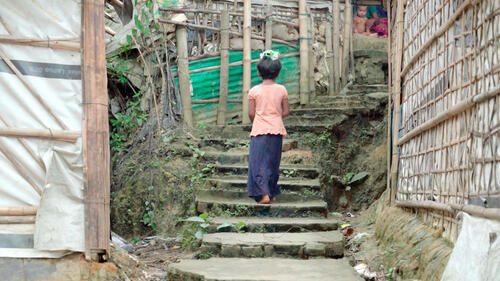
Rohingya refugee crisis
Rohingya youth trapped in violence and despair in Cox's Bazar
Documentary
6 Dec 2023
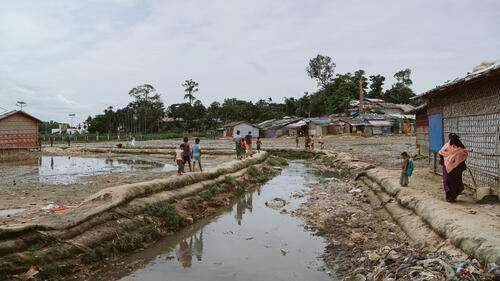
Rohingya refugee crisis
Funding for Rohingya must increase as medical needs surge in camps
Project Update
23 Aug 2023
Rohingya refugee crisis
Cuts to refugees’ food rations will have severe health impact
Press Release
2 Mar 2023
Rohingya refugee crisis
One million Rohingya remain in precarious conditions five years after horrific violence in Myanmar
Voices from the Field
25 Aug 2022
Bangladesh
Unprecedented increase of scabies cases in Cox’s Bazar refugee camps
Project Update
25 Mar 2022
Rohingya refugee crisis
Three questions on life for the Rohingya in Bangladesh
Interview
18 Mar 2021
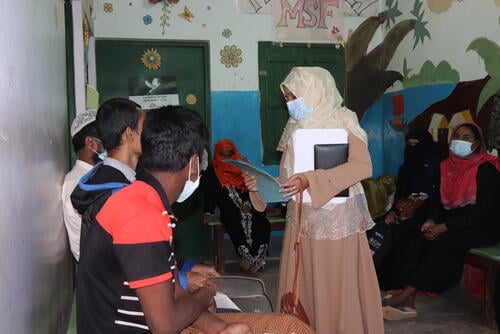
Rohingya refugee crisis
Relocations, reduced services leave Rohingya communities at breaking point in Bangladesh
Project Update
21 Jan 2021
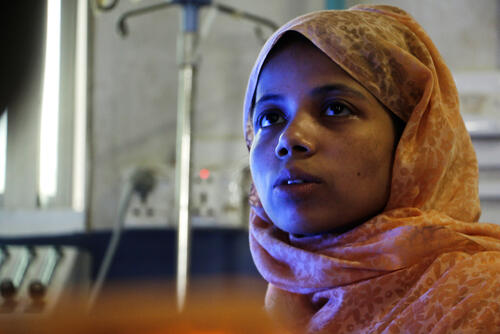
Bangladesh
Rohingya refugees remain in limbo three years after mass exodus
Project Update
25 Aug 2020
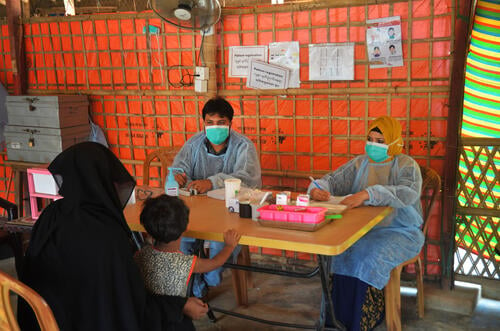
Coronavirus COVID-19 pandemic
Five challenges for the Rohingya in Bangladesh amid COVID-19
Project Update
6 May 2020