


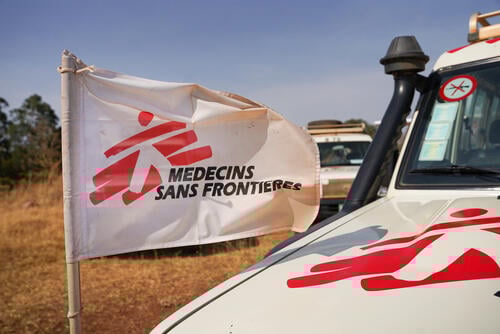
Médecins Sans Frontières (MSF) continues to follow developments in Iran closely, with profound concern.
The immense loss of life reported by media outlets is devastating. As communication remains sporadic, it is extremely difficult for us to get information on the current situation or to confirm reports, including on the number of casualties and deaths.
Amid reprieves in the nationwide communications shutdown, we have been able to make brief contact with our teams who are safe and have been able to maintain care for our existing patients.
While we are not authorised to carry out activities beyond the scope of our projects focused on marginalised communities in Iran, we continue to propose medical support to hospitals. MSF has not received any patients with injuries related to the violence so far.
MSF activities in Iran
MSF runs three projects in Iran that provide general healthcare services, including medical and midwife consultations, infectious disease screening, hepatitis C treatment and nursing, and mental health services to marginalised people – in particular, Afghan refugees – in South Tehran, Mashhad, and in Kerman province. These communities face major barriers to care due to stigma, criminalisation, lack of identification or insurance, and inability to pay.
South Tehran
MSF opened our project in South Tehran in 2012 to address critical healthcare gaps faced by marginalised communities in one of Tehran’s poorest and most complex urban areas. MSF provides integrated, patient-centred general healthcare through a fixed clinic, mobile clinics, and targeted activities with vulnerable groups. The healthcare services include infectious and non-infectious disease care, sexual and reproductive healthcare, wound care, mental health and psychosocial support, hepatitis C screening and treatment, referrals to specialised care, and social support and health promotion.
Mashhad
MSF has been present in Mashhad, Iran's second largest city, close to the border with Afghanistan, since 1996. Since 2018, MSF has run several mobile clinics offering medical and psychological consultations, and screening for infectious diseases, such as hepatitis C, amongst vulnerable groups. In the clinic in the Golshahr district, where most of Mashhad's Afghan refugees live, MSF teams provide counselling, social support, health education, and referrals to specialised health facilities.
Kerman province
MSF is the only medical organisation providing direct health services to Afghan refugees in Kerman province. Our general healthcare centres are aimed at serving underserved peripheral areas of Kerman city, which hosts around 200,000 Afghans. Since April 2024, MSF has been operating the Vahdat clinic, 10 kilometres outside the city, and is now establishing a fixed clinic in Kerman in partnership with health authorities. Services will cover communicable and non-communicable diseases, sexual and reproductive health, mental health and psychosocial support, wound care, and screening for tuberculosis, HIV, and hepatitis B and C.
War and conflict
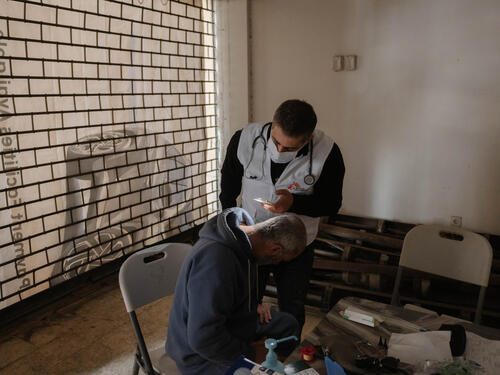
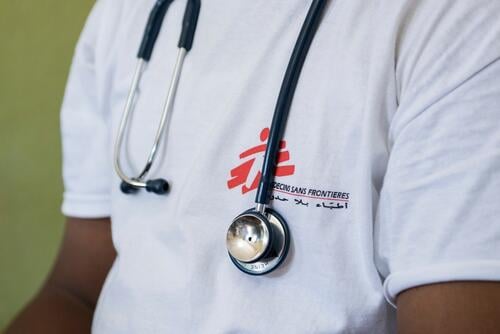
MSF adapts and scales up activities amid escalating Middle East conflict
Press Release
5 Mar 2026
Lebanon
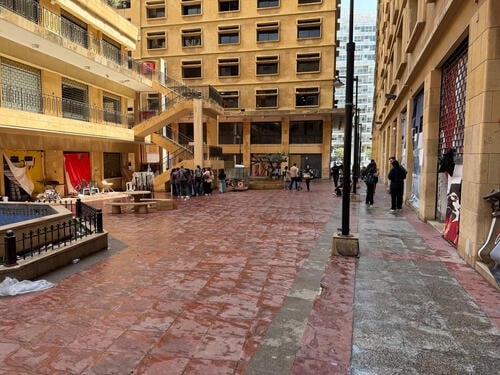
Lebanon: Humanitarian scale-up urgently needed after almost two months of devastation
Statement
17 Apr 2026